
Views: 0 Author: Site Editor Publish Time: 2026-08-24 Origin: Site


A glass greenhouse represents a massive capital expenditure. Achieving profitability means maximizing revenue per square foot through strategic crop selection and optimized environmental controls. Growers often mismatch crop types with their facility's climate capabilities. This leads to wasted energy, suboptimal yields, and market saturation that destroys profit margins. Many operators also confuse high physical yield by volume with high net profit by margin. To justify the infrastructure investment, you must evaluate crops based on vertical yield density, market velocity, seasonal adaptability, and compatibility with advanced cultivation systems. This guide breaks down the most profitable high-yield crops and the operational frameworks required to scale them.
Verticality is Non-Negotiable: Vining crops like indeterminate tomatoes and cucumbers offer the highest yield-to-footprint ratio by utilizing the vertical volume of a glass structure.
Volume vs. Margin: The highest yielding crop by weight is not always the most profitable. Operators must balance fast-cycle, high-volume crops (leafy greens) against lower-volume, ultra-high-margin crops (specialty herbs, value-added produce).
System-Crop Alignment: Maximum yields require matching the crop to the specific infrastructure, whether operating a hydroponic glass greenhouse or a substrate-based system.
Labor and Energy Trade-offs: High-yield crops demand intensive labor (pruning, harvesting) and precise climate control; financial models must account for these variable costs against projected crop revenues.
Maximizing returns in a controlled environment requires a fundamental shift in how you measure space. Traditional farming calculates yield per square meter of floor space. Greenhouse cultivation demands calculating potential revenue per cubic meter. You must utilize the entire vertical footprint of the structure. A facility with six-meter gutters offers massive aerial real estate. Leaving that space empty severely limits your revenue potential.
You must differentiate between crops that produce massive physical yields and those that yield the highest net profit per square meter. Heavy crops like standard slicing tomatoes generate high tonnage. They often sell at commodity rates. Conversely, specialty herbs or microgreens weigh significantly less but command premium market values. High volume does not automatically equal high margin. Your crop selection must align with local market demand to avoid producing a high-yield crop that you cannot sell profitably.
Climate control, seasonality, and energy trade-offs dictate operational viability. Assess the heating, cooling, and supplemental lighting requirements of specific crops against your local utility rates. Growing heat-loving crops during a harsh winter requires massive energy inputs from boiler systems and heating pipes. Adapting crop choices for summer heat management versus winter heated structures ensures you do not spend your entire margin on utility bills. You must match the crop's thermal preferences to the natural advantages of your local climate.
Market velocity and crop maturation time directly impact cash flow. Evaluate the financial impact of days-to-harvest. Continuous harvesting models, like vining tomatoes, provide steady weekly income after the initial growth phase. Batch harvesting models, like head lettuce, require constant replanting but offer rapid turnaround times. You must balance these cycles to maintain consistent revenue streams.
Labor intensity remains a heavy variable. High-yield crops demand skilled labor. Trellising, pruning, lowering vines, and daily harvesting require trained hands. Factor in the cost of this labor when evaluating potential crops. A crop that yields heavily but requires constant, meticulous pruning may prove less profitable than a lower-yielding, low-maintenance alternative.
Calculate cubic volume utilization based on your gutter height.
Assess local utility rates against the specific thermal and lighting needs of the crop.
Map labor availability for daily harvesting and weekly canopy management.
Analyze local market saturation to avoid commodity pricing traps.
Crop Category | Vertical Space Usage | Target EC (mS/cm) | Labor Intensity | Primary Climate Need |
|---|---|---|---|---|
Indeterminate Tomatoes | High (Up to 5 meters) | 2.5 - 3.5 | High (Pruning, Trellising) | High Light, Moderate Heat |
Cucumbers | High (Rapid Climbing) | 2.0 - 2.5 | High (Lowering, Leaning) | High Humidity, Warmth |
Microgreens | Moderate (Stacked Racks) | 1.2 - 1.5 | Moderate (Sowing, Washing) | Strict Humidity Control |
Strawberries | Moderate (Elevated Gutters) | 1.2 - 1.8 | Moderate (Harvesting, Runners) | Cooler Temps, High Light |
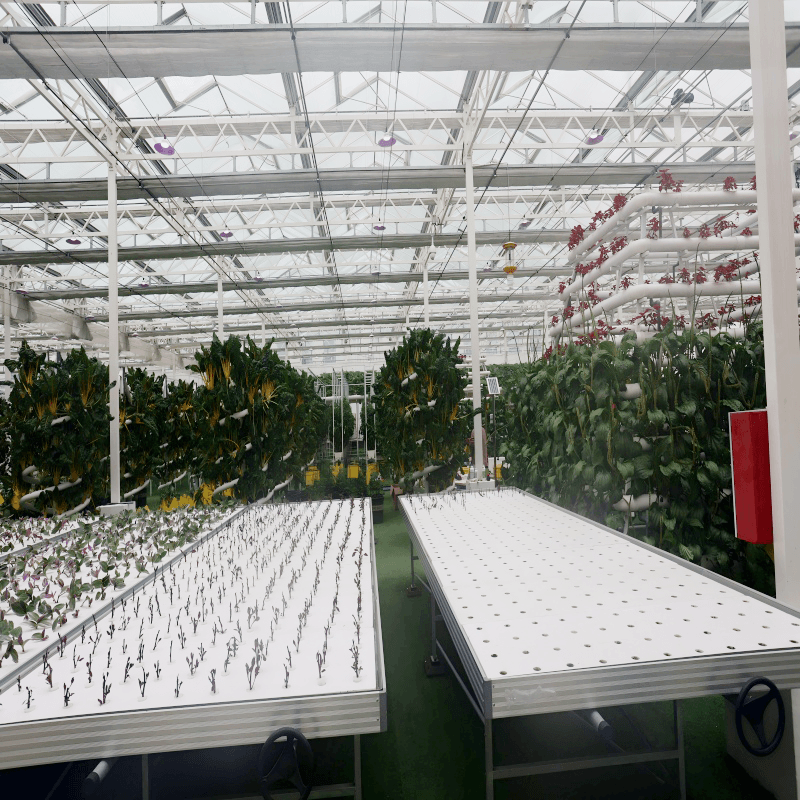
Indeterminate tomatoes set the benchmark for vertical yield. Unlike bush varieties, indeterminate plants continue growing and producing fruit along a central vine for many months. In heated structures, you can achieve continuous harvesting cycles lasting up to eleven months. This provides a reliable, steady output. Yield expectations in optimized environments routinely exceed 60 to 80 kilograms per square meter annually.
Varietal selection determines commercial viability and premium positioning. Standard beefsteak varieties offer bulk but face heavy market competition. Focus on varieties that command premium rates. Sungold, Roma, Brandywine, and Campari varieties cater to specialty markets and culinary professionals. Consumers actively seek out these specific flavor profiles and aesthetic qualities.
Cultivating these plants requires specific infrastructure. High-wire trellising systems support the massive weight of mature vines. Workers continuously lower and lean the vines using specialized clips as they grow toward the roof. You also need targeted HVAC systems to prevent humidity-related diseases. Dense tomato canopies trap moisture, creating ideal conditions for Botrytis. Active airflow management through horizontal airflow (HAF) fans is mandatory. You must also introduce bumblebee hives to ensure complete pollination of the flowers.
Cucumbers offer exceptional growth speed and aggressive climbing characteristics. They are ideal for vertical growing systems. A well-managed cucumber crop reaches the overhead wire weeks faster than a tomato crop. This rapid turnover allows for three to four crop cycles per year, accelerating your return on investment.
These plants have high humidity requirements but are highly susceptible to disease. Powdery mildew and Pythium root rot remain the primary threats. You must maintain precise vapor pressure deficits (VPD) to keep the foliage dry while keeping the ambient air humid. Resistant varieties help, but environmental control remains your primary defense mechanism.
Yield projections per square meter are substantial. In controlled environments, modern cucumber varieties produce prolific fruit loads. Daily harvesting is necessary during peak production to prevent the fruit from becoming oversized and unmarketable. This requires a dedicated, reliable labor force that can walk the rows every single day.
Peppers offer excellent margin potential, particularly colored and specialty varieties. Green bell peppers generally act as commodity items. Allowing peppers to fully ripen to red, yellow, or orange significantly increases their market value. Specialty hot peppers or unique sweet varieties command even higher premiums.
They exhibit slower maturation rates compared to cucumbers or tomatoes. This longer cycle requires strict, long-term climate stability. Any severe temperature fluctuation during the extended growing period can cause blossom drop or misshapen fruit. You must commit to maintaining optimal conditions for several months before seeing a return.
Canopy management and structural support are critical. Pepper plants branch heavily. You must utilize a V-system trellis to support the multiple leader stems. Regular pruning ensures adequate light penetration into the center of the canopy, promoting uniform fruit ripening and reducing disease pressure.
Basil and similar culinary herbs thrive in high-density planting arrangements. They offer rapid regrowth after cutting, allowing for multiple harvests from a single planting. This continuous regeneration maximizes the yield per square meter over the crop's lifespan.
These crops achieve premium positioning in local restaurant and retail markets. Fresh, locally grown basil outperforms imported alternatives in flavor and shelf life. Establishing direct relationships with chefs and specialty grocers ensures a steady outlet for your harvest.
Herbs exhibit high sensitivity to temperature fluctuations. Basil suffers chilling injury at temperatures that other crops tolerate easily. Maintaining a consistent, warm environment is non-negotiable. Cold drafts or sudden temperature drops will quickly ruin a crop, turning the leaves black and unsellable. Fusarium wilt is also a major risk, requiring strict water sanitation.
Microgreens feature ultra-fast crop cycles. You can move from seed to harvest in just 7 to 21 days. This incredible velocity allows for dozens of crop turns per year. Specialty lettuces also offer fast cycles, typically reaching harvest maturity in 30 to 45 days depending on the Daily Light Integral (DLI).
You can multiply your floor space by utilizing stackable racking systems. Because microgreens require minimal vertical clearance, you can stack growing trays five or six levels high. This transforms a modest footprint into a massive production area.
Strict sanitation and humidity control requirements are mandatory. The dense planting of microgreens in 1020 trays creates a highly humid microclimate at the soil surface. This invites damping-off and other fungal diseases. Rigorous tray sterilization protocols and aggressive air circulation are necessary to maintain crop health.
Transitioning strawberries from the field to a controlled environment unlocks year-round premium potential. Day-neutral varieties like Albion or San Andreas produce fruit regardless of day length, provided temperatures remain favorable. This allows you to harvest fresh berries during winter months when field-grown supplies vanish.
Gutter systems and elevated growing infrastructure dramatically improve labor efficiency. Raising the plants to waist height eliminates the back-breaking labor associated with field harvesting. It also isolates the fruit from soil-borne pathogens and improves air circulation around the berries.
Pollination strategies require careful planning. Strawberries require insect pollination for uniform fruit development. Introducing bumblebee hives into the enclosure is standard practice. You must manage the hive health and ensure ventilation screens prevent the bees from escaping into the wild.
Eggplants and pole beans present niche market opportunities with exceptionally high vertical yields. Pole beans climb rapidly and produce heavily along the entire length of the vine. Eggplants, when properly supported and pruned, yield significantly more fruit than their field-grown counterparts.
These crops have specific thermal requirements. They behave differently when grown in a heated structure versus open fields. Eggplants demand high heat and bright light to set fruit properly. Pole beans require careful humidity management to prevent rust and other foliar diseases. Both are highly susceptible to spider mites, requiring aggressive scouting.
Evaluating emerging markets for greenhouse-grown spices reveals lucrative opportunities. Turmeric and ginger thrive as summer crops in controlled environments. They utilize the natural heat accumulation of the structure during warmer months.
These crops have longer growing seasons, often taking eight to ten months to mature. This extended cycle is offset by exceptionally high price-per-pound metrics. Fresh, locally grown rhizomes command significant premiums over dried, imported alternatives in health food and culinary markets.
Implementing strategies for converting raw yields into higher-margin packaged goods secures your revenue stream. Selling raw produce leaves you vulnerable to market fluctuations and short shelf lives. Processing transforms a perishable commodity into a stable, high-value asset.
Consider turning surplus tomatoes into artisanal sauces, salsas, or purees. Dry excess culinary herbs or medicinal crops on specialized racks to extend their shelf life indefinitely. These value-added products multiply your return on investment and open up new retail channels, such as online sales or boutique grocery stores.
Utilizing cosmetically imperfect crops for processed goods ensures 100% of your yield generates revenue. A tomato with a slight blemish or an irregular shape cannot be sold as premium fresh produce. It is perfectly suitable for processing.
By routing grade-B produce into your value-added pipeline, you eliminate waste. This zero-waste approach maximizes the financial efficiency of your operation. Every kilogram grown contributes to the bottom line, regardless of its visual perfection.
Operating a hydroponic glass greenhouse requires selecting crops suited for water-based cultivation. Nutrient Film Technique (NFT) and Deep Water Culture (DWC) systems excel at producing leafy greens and basil. The constant flow of nutrient-rich water promotes rapid vegetative growth.
Managing nutrient solutions and water temperature is critical for maximum yield. You must continuously monitor electrical conductivity (EC) and pH levels. Water temperatures must remain cool enough to hold dissolved oxygen but warm enough to prevent root shock. Precision dosing equipment automates this process, ensuring optimal plant nutrition.
A soilless glass greenhouse utilizes inert media to support root structures. Utilizing rockwool slabs, coco coir bags, or perlite is standard practice for heavy vining crops like tomatoes and cucumbers. These substrates provide excellent aeration and moisture retention without the unpredictability of field soil.
Precision drip irrigation and fertigation strategies drive yields in these systems. Emitters deliver exact volumes of water and nutrients directly to the root zone multiple times per day. This micro-dosing prevents waterlogging and ensures the plants have constant access to the resources they need for aggressive growth. You must monitor drain percentages daily to adjust your irrigation strategy.
Running a nursery and seedling glass greenhouse focuses on propagating high-quality starts. You produce young plants for field farmers or other greenhouse operators. This business model relies on high turnover rates rather than long-term crop maturation.
You must prepare for seasonal demand spikes. Spring planting rushes require massive inventory readiness. Micro-climate management is paramount for the germination and rooting phases. Seedlings require precise bottom heat mats, high humidity via misting booms, and specific light spectrums to develop strong root systems before transplanting.
Enclosed structures create perfect environments for rapid pest proliferation. The rapid spread of aphids, whiteflies, and spider mites threatens monoculture crops. Without natural predators and weather events to suppress them, pest populations explode in days.
Implementing Integrated Pest Management (IPM) is mandatory. Introduce beneficial insects like parasitic wasps (Encarsia formosa) or predatory mites (Phytoseiulus persimilis) early in the crop cycle. Maintain strict biosecurity protocols for workers entering the facility. Use targeted, biological controls before resorting to harsh chemical interventions.
Maintaining glass clarity directly impacts crop yields. Dust, pollen, and hard water deposits reduce light transmission over time. A 1% drop in light transmission can result in a 1% drop in yield for light-hungry crops like tomatoes.
Schedule regular roof washing to maximize natural light. Manage seasonal light deficits with supplemental LED or HPS lighting. Calculate your Daily Light Integral (DLI) targets using PAR meters and use automated lighting systems to ensure plants receive adequate photons during short winter days.
The risk of overproducing common crops can devastate your margins. Flooding a local market with standard tomatoes during peak summer harvest drives prices down to unsustainable levels. You must treat agriculture as a business first.
The necessity of securing off-take agreements or buyer contracts prior to planting cannot be overstated. Know exactly who will buy your crop and at what price before you sow a single seed. Diversify your crop portfolio to insulate your operation from sudden market shifts.
The most profitable crop depends entirely on the intersection of local market demand, energy costs, and the specific technological tier of your facility. There is no single universal answer. You must align your agricultural capabilities with commercial realities to achieve sustainable profitability. Start your shortlisting logic with market research to identify high-priced gaps in your local supply chain. Filter those opportunities by the structural capabilities of your greenhouse, evaluating height, hydroponic versus substrate systems, and heating capacity. Finalize your selection based on local labor availability and skill levels.
Develop a localized financial model that factors in your specific utility rates and projected labor hours.
Select a primary high-yield crop and a secondary rotational crop to maintain year-round cash flow.
Consult with a specialized agronomist to finalize your fertigation recipes and lighting schedules.
Secure buyer contracts or establish direct-to-consumer channels before initiating the planting cycle.
A: Indeterminate tomatoes and specialty herbs generally offer the highest ROI. Tomatoes maximize vertical yield, while herbs command premium pricing. Profitability depends on local demand supporting those prices. True profit equals net margin, not just total harvest volume.
A: While technically possible, traditional fruit trees are rarely profitable in commercial glass structures. They offer poor space utilization compared to vining crops or high-density berries. They are only viable if utilized for ultra-premium value-added processing or highly specialized niche markets.
A: Leafy greens, microgreens, basil, and strawberries perform exceptionally well in Nutrient Film Technique (NFT) or Deep Water Culture (DWC) systems. For Dutch bucket or drip hydroponic systems, vining crops like tomatoes, cucumbers, and peppers are the standard choices.
A: Soilless substrates like rockwool or coco coir allow for precise control over the root zone. They provide superior aeration and moisture retention compared to soil. This allows growers to perfectly calibrate oxygen and nutrient uptake, directly accelerating growth and increasing overall yield.
A: Yes, seedling propagation offers fast turnover and high margins. You can cycle thousands of plants in a matter of weeks. The business model is highly seasonal. You must manage intense demand spikes during spring planting and find alternative revenue streams during the off-season.
A: Managing peak summer heat requires automated roof venting systems, retractable shade cloths, and evaporative cooling pads. These systems work together to lower ambient temperatures and maintain humidity, preventing heat stress and blossom drop in sensitive fruiting crops.


