
Views: 0 Author: Site Editor Publish Time: 2026-06-03 Origin: Site


Stepping into the world of indoor gardening often leads to a major crossroads: choosing a permanent structure. A glass greenhouse represents a significant capital and spatial investment compared to temporary plastic alternatives. These elegant structures permanently define your property's landscape while offering unmatched longevity. However, choosing the right model demands a careful, informed balance. You must weigh aesthetics against thermal efficiency, rigid zoning compliance, and future scalability needs. Making the wrong choice early on often results in poor plant health, frustrating maintenance, or sudden structural failures during extreme weather. This comprehensive guide helps you bypass confusing marketing jargon completely. We provide a strict, actionable evaluation framework focusing on structural integrity, essential glazing safety, and precise environmental control. You will learn exactly how to size, site, and select the ideal structure for your evolving growing ambitions.
Tempered safety glass is a non-negotiable standard for residential and high-traffic applications.
Sizing should account for a 20-30% expansion in growing ambition; upgrading later is cost-prohibitive.
Passive ventilation and shading are mandatory baseline features, not optional accessories.
Foundation preparation often dictates the lifespan and warranty validity of the structural frame.
Buyers frequently debate between glass and polycarbonate panels. Each material serves distinctly different environmental goals. You must evaluate these options based on your specific regional climate and crop requirements.
Glass dominates in pure light transmission. Clear single-pane glass allows over 90% of direct sunlight to reach your plants. This intense light penetration accelerates early spring growth. Traditional crops thrive under these unhindered rays. Conversely, twin-wall polycarbonate diffuses incoming light. It scatters rays across the canopy to prevent localized leaf burn. However, polycarbonate blocks a small percentage of overall light. Direct glass transmission remains superior for low-light winter environments.
Single-pane glass loses heat rapidly after sunset. It offers almost no insulation value naturally. Your nighttime temperatures will plummet quickly in cold climates. You must install secondary heating systems for serious winter growing. Thermal screens and heavy water barrels can help stabilize these swings. Polycarbonate traps air between its fluted walls. This creates a natural thermal barrier. If winter heating costs concern you, glass requires more aggressive mitigation strategies.
Nothing beats the lifespan of traditional glass. It remains completely immune to UV degradation. Decades of harsh sunlight will never yellow or cloud the panes. You simply wash the panels to restore their original clarity. Polycarbonate degrades slowly over time. The plastic eventually succumbs to UV exposure. Most synthetic panels require complete replacement after 10 to 15 years. Glass remains a permanent, generational investment.
Glass is incredibly heavy. This sheer weight actually acts as an advantage during severe storms. The heavy panes anchor the entire structure against high winds. High-quality framing systems distribute this weight safely into the foundation. Lightweight plastic panels easily pop out during strong gusts. Glass resists snow accumulation smoothly. The slick surface encourages heavy snow to slide off immediately. You rarely face collapsed roofs when properly heated.
Performance Comparison Chart | ||
Feature | Traditional Glass | Twin-Wall Polycarbonate |
|---|---|---|
Light Transmission | 90%+ (Direct light) | 80-85% (Diffused light) |
Heat Retention (R-Value) | Very Low (~0.9) | Moderate (~1.5) |
Lifespan | 50+ Years | 10-15 Years |
UV Resistance | Absolute Immunity | Gradual Yellowing |
A beautiful exterior means nothing if the skeleton fails. Your evaluation must start with the structural bones. Material choices here dictate your future maintenance schedule.
Extruded aluminum serves as the global industry standard. It absolutely will not rust. You spend almost zero time on structural maintenance. Manufacturers often powder-coat these frames for added weather resistance. Galvanized steel provides immense industrial strength. However, it introduces long-term corrosion risks if scratched. Wood frames offer stunning traditional aesthetics. Yet, they require rigorous annual sealing. Damp, humid environments rot untreated timber surprisingly fast.
Standard horticultural glass presents severe hazards. It breaks into large, lethal, dagger-like shards upon impact. You should never install standard glass near children or pets. Tempered safety glass is a mandatory upgrade. The tempering process makes it significantly stronger against blunt force. If broken, it shatters into thousands of tiny, harmless cubes. Most municipal building codes now mandate tempered panels for permanent yard structures.
Novice buyers frequently ignore critical vertical dimensions. The architectural shape dictates your daily comfort and growing capacity.
The "Eave Height" rule: Low eaves trap blistering heat directly near plant heads. We recommend a minimum eave height of 5'6". Taller frames create a massive thermal buffer. Hot air rises safely above the canopy. Vine crops like tomatoes require this vertical space for trellising.
Footprint calculation: Never fill the entire floor with soil beds. You must calculate a functional walkway-to-bench ratio. Aim for at least a 3-foot wide central path. You need adequate room to maneuver heavy soil bags and watering cans safely.
You are essentially building an intentional solar oven. Without strict environmental management, plants will bake during summer months. Climate control requires precise planning.
Passive ventilation drives out stale, overheated air. You must calculate the proper ratio of vents to floor space. Industry experts recommend venting capacity equal to 15-20% of your total footprint. Roof vents allow trapped heat to escape rapidly. Side louvers draw in cool, fresh air from the base. This combination creates a natural thermal chimney. Stagnant air invites rapid fungal growth and devastating pest outbreaks.
Manual venting quickly becomes a frustrating daily chore. You must automate this process early. Wax-cylinder automatic vent openers offer a brilliant mechanical solution. The wax expands as temperatures rise. This expansion physically pushes the window open without electricity. As the air cools, heavy springs pull the vent shut. For larger setups, electrically motorized systems provide precise digital control. Thermostats trigger fans and vents based on exact temperature parameters.
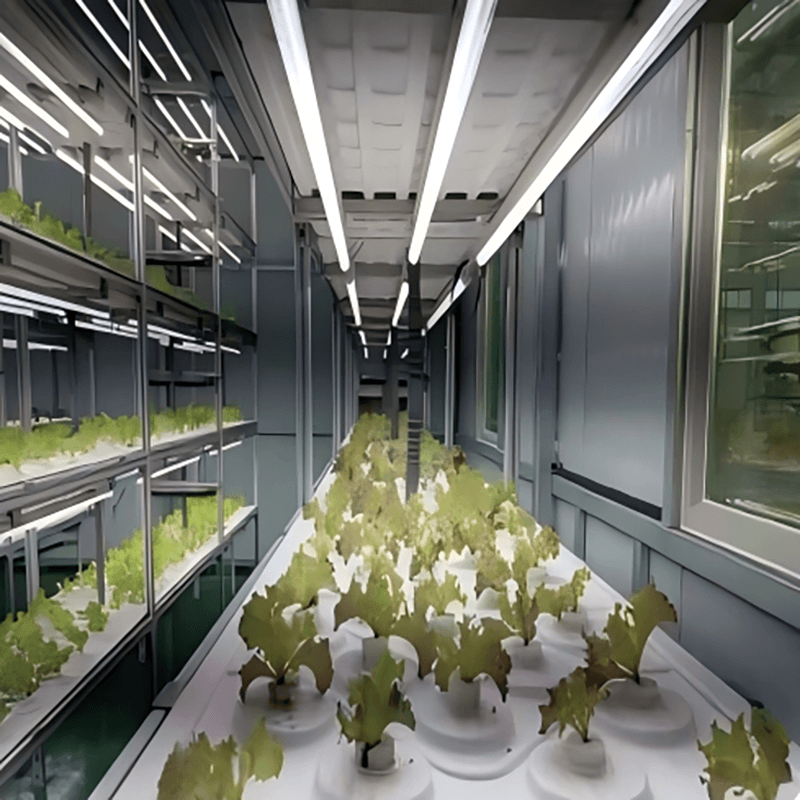
Standard hobby setups often evolve into high-tech environments. You might eventually transition toward a Hydroponics Cultures Plant Technology Container Greenhouse model. This requires advanced infrastructure mapping from day one. You must plan for active floor drainage. Spills happen constantly in aquatic systems. Load-bearing cross-ties become necessary for hanging heavy reservoir tanks and grow lights. You also need dedicated, moisture-rated electrical circuits to run continuous water pumps safely.
Hobbyists often design spaces based purely on aesthetics. Commercial growers prioritize ruthless efficiency. You can borrow their proven strategies to maximize your backyard yields.
Look closely at any Commercial Vegetable Glass Greenhouse. They design for strict linear workflow. Everything moves efficiently from seed starting to final harvest. They automate distinct climate zones to separate seedlings from mature fruiting plants. They install high-volume drip irrigation systems immediately. Hand-watering wastes time and applies moisture unevenly. You should map out your water lines before pouring the foundation.
Commercial operators utilize every square inch of air space. You should implement similar tiered benching. Place shade-tolerant greens under the main benches. Keep sun-loving crops elevated near the glazing. Install vertical trellising grids immediately during construction. Waiting until plants are overgrown causes root damage during installation. Vertical growing doubles your yield in the exact same square footage.
Commercial builds face heavy regulatory scrutiny. Residential builds face similar legal hurdles. You must anticipate local Homeowner Association (HOA) restrictions. Many neighborhoods ban detached structures over a certain height. Municipal setback rules dictate how close buildings can sit near property lines. Permanent glass structures almost always require formal building permits. Check these regulations before ordering any materials.
Review your neighborhood HOA bylaws regarding detached structures.
Measure your exact property lines and local municipal setbacks.
Submit architectural drawings to your local permit office.
Wait for official approval before breaking ground.
A premium structure will fail spectacularly on a poor base. The foundation is the most critical element of your entire project.
Plastic panels can bend slightly. Rigid glass frames possess absolutely zero tolerance for ground shifts. Frost heave will twist the aluminum skeleton during winter. This microscopic torsion transfers directly to the glazing. The heavy panes will shatter under the stress. Your foundation must remain perfectly level forever. You cannot simply lay a frame on compacted dirt or loose gravel.
You have several viable paths for a permanent base. Concrete perimeter walls offer the strongest support. They anchor the frame below the local frost line. Poured concrete slabs provide a clean, weed-free interior floor. However, solid slabs complicate deep soil planting. Heavy timber bases use treated 4x4 or 6x6 beams. Timber works well for smaller footprints but requires heavy ground anchors to prevent wind uplift.
Water management begins before the walls go up. You must implement internal floor sloping. Slant the interior grade slightly toward a central drain or out the door. Standing water breeds algae and dangerous slip hazards. Install external perimeter weeping tiles. These perforated pipes catch runoff from the roof. They channel heavy rain away from the foundation. This prevents the base soil from eroding over the years.
Freight delivery presents unique logistical challenges. Glass pallets weigh thousands of pounds. Delivery trucks usually require wide, paved access to drop the crates. Assessing DIY feasibility requires brutal honesty. Assembling the aluminum frame takes a few weekends. Glazing the roof requires specialized suction cups, scaffolding, and multiple strong helpers. Hiring specialized contractors prevents costly mistakes and dangerous glass-handling accidents.
Base Material Trade-offs | ||
Foundation Type | Primary Advantage | Implementation Challenge |
|---|---|---|
Poured Concrete Slab | Permanent, clean, easy to sweep. | Expensive; limits direct in-ground planting. |
Concrete Perimeter Stem Wall | Exceptional frost protection. | Requires heavy excavation and masonry skills. |
Treated Timber Base | Cost-effective and DIY-friendly. | Prone to rot eventually; needs deep anchoring. |
The marketplace features dozens of brands claiming premium quality. You must evaluate the company behind the product just as rigorously as the materials themselves.
Marketing brochures often highlight "Lifetime Warranties" in bold print. You must read the fine print carefully. Differentiate between the actual frame warranty and the glazing warranty. Aluminum frame warranties often span 10 to 15 years against manufacturing defects. However, glass panels and moving parts usually carry restrictive 1 to 2-year terms. Weather damage is almost universally excluded from these policies.
Accidents happen eventually. A rogue lawnmower rock or falling branch will break a panel. The critical test of a manufacturer is parts availability. Buy from manufacturers operating localized supply chains. You need access to perfectly sized replacement tempered panes immediately. Waiting six months for an overseas shipment leaves your plants exposed to harsh elements.
Test the company's responsiveness before handing over your credit card. Call their technical support line with a specific assembly question. Fast, knowledgeable answers indicate a robust support network. Request access to their technical installation manuals prior to purchase. If the instructions consist of blurry diagrams without clear text, walk away. You will rely heavily on these documents during assembly.
Your journey into permanent indoor gardening requires deliberate, informed choices. Prioritize tempered safety glass to protect your family and property. Over-index heavily on passive and automated ventilation to prevent devastating heat spikes. Invest your budget into a perfectly level, frost-proof foundation. A solid base guarantees decades of stress-free growing. For immediate next steps, measure your viable yard space carefully. Check your local sunlight orientation, prioritizing unobstructed South or Southeast exposure. Finally, initiate local permit inquiries immediately to avoid bureaucratic delays later.
A: Yes, almost always. Because they feature heavy, permanent foundations, local municipalities classify them as permanent accessory structures. Temporary plastic hoop houses often bypass these rules. You must check local zoning laws, setback requirements, and HOA guidelines before starting construction.
A: No material is completely hail-proof against extreme weather events. However, tempered safety glass offers excellent impact resistance against standard hail. It easily deflects small to medium impacts. In catastrophic storms, it will crumble into safe cubes rather than dangerous, jagged shards.
A: Heating costs vary wildly based on your climate zone and target interior temperature. Single-pane structures possess a very low R-value, meaning heat escapes rapidly. Running electric heaters or propane furnaces continuously in freezing climates can cost hundreds of dollars monthly.
A: Yes, provided the patio is perfectly level and structurally sound. The frame requires heavy anchoring into the concrete or pavers to resist wind uplift. You must also ensure the patio slopes slightly to allow proper water drainage away from the interior.


