
Views: 0 Author: Site Editor Publish Time: 2026-07-27 Origin: Site


Operating a glass greenhouse gives you a massive agronomic advantage. You get superior light transmission and a structural lifespan that easily spans decades. But those benefits drop off fast if you ignore systematic maintenance. A minor seal leak or a thin layer of exterior algae quickly turns into a compromised micro-environment. Neglected glass cuts down Photosynthetically Active Radiation (PAR). It weakens the structural integrity of the frame. It creates damp pockets that breed pathogens, directly threatening your crop yield.
Maintenance is a strict risk mitigation strategy. We use a foundational Standard Operating Procedure (SOP) to protect the infrastructure investment. By running daily observations and strict seasonal routines, operators lock in optimal growing conditions. You prevent catastrophic equipment failures and keep the facility running at peak efficiency year-round.
Immediate Remediation: Cracked or broken glass panes must be replaced immediately to prevent catastrophic heat loss and structural load imbalances.
Light Transmission Protection: Bi-annual exterior and interior cleaning using non-corrosive, pathogen-killing solutions is non-negotiable for maintaining optimal PAR levels.
System Calibration: Mechanical components (ventilation, irrigation, climate control) require daily observation and quarterly servicing to prevent compounding failures.
Application-Specific Scaling: Maintenance protocols must adapt to the specific crop environment, with distinct requirements for soil-based versus hydroponic setups.
The physical realities of tempered or annealed glass demand a completely different handling approach compared to flexible poly-films or twin-wall polycarbonate. Glass is heavy, rigid, and unforgiving. A standard 4mm tempered glass pane weighs roughly 2.5 pounds per square foot. While polycarbonate can absorb blunt force and flex under heavy wind stress, glass transfers that kinetic energy directly to the structural frame and glazing bars. This rigidity means your foundation and frame must remain perfectly level. Even a quarter-inch of frost heave or foundation shifting can cause multiple panes to shatter simultaneously.
Success criteria for maintaining a glass structure are absolute. Operators target a 90% or higher light transmission retention rate, zero draft leaks around the EPDM rubber perimeters, and zero localized pest outbreaks. Achieving these metrics requires precision. Using abrasive cleaning tools, stiff-bristled brushes, or incorrect chemical solvents permanently scratches anti-reflective glass coatings. Harsh chemicals dissolve the structural silicone and rubber seals holding the heavy panes in place. Proper maintenance relies on gentle, consistent cleaning and proactive structural checks rather than aggressive, reactive repairs.
Maintenance Factor | Glass Glazing | Polycarbonate / Poly-Film |
|---|---|---|
Structural Tolerance | Zero flex. Requires perfectly level foundations and rigid frames. | High flex. Can absorb minor foundation shifts without tearing. |
Cleaning Sensitivity | Prone to scratching from abrasives; coatings degrade with harsh acids. | Prone to clouding and UV degradation; requires specialized poly-washes. |
Sealant Dependency | Relies heavily on EPDM gaskets and structural silicone to prevent drafts. | Relies on aluminum lock-channels and wiggle wire. |
Replacement Speed | Requires immediate replacement to prevent wind-load blowouts. | Can be temporarily patched with specialized greenhouse tape. |
Catching micro-failures before they compound into expensive repairs requires a disciplined daily walk-through. This operational habit involves visually inspecting the structure, listening for unusual mechanical noises from exhaust fan bearings, and feeling for unexpected drafts near the entry vestibules. A 15-minute daily inspection is the most effective preventative maintenance tool available to an operator. You look for condensation patterns on the glass; excessive moisture in one corner indicates a failing vent or a localized heating drop.
This routine integrates directly with pest control. Daily scouting for aphids, whiteflies, or localized fungal blooms dictates immediate action. If a specific row shows signs of powdery mildew, operators immediately spot-clean the area, adjust local horizontal airflow (HAF) fans, and remove affected plant material. Addressing these issues on day one prevents full-scale infestations that would otherwise require heavy chemical interventions and deep structural sterilization.
Greenhouse maintenance extends 50 feet beyond the glass walls. External threat mitigation protects the fragile roof. Operators must regularly clear overhanging tree branches that pose a shatter risk during high winds or severe storms. Falling limbs are the primary cause of catastrophic glass failure in rural setups. Keep a strict clear zone around the facility.
Weed and drainage control around the perimeter is equally critical. Maintaining a sterile perimeter by laying down heavy-duty weed barrier and crushed stone eliminates habitats for thrips and spider mites. Furthermore, exterior drainage channels must remain clear of debris. French drains and surface gutters must direct rainwater and snowmelt away from the foundation. Pooling water near the concrete footings leads to soil erosion or frost heave during winter, which shifts the foundation and cracks the rigid glass panes above.
Delayed replacement of a compromised glass pane carries a compounding cost. A single crack leads to immediate energy loss, forcing boilers or chillers to work harder. It allows moisture ingress, creates an entry point for pests, and compromises the structural integrity of the entire roof grid. Wind entering through a broken pane creates a pressure differential capable of blowing out adjacent panels, turning a single broken pane into a collapsed roof section.
Replacing broken tempered glass requires specific actionable steps to ensure operator safety and structural watertightness:
Equip appropriate Personal Protective Equipment (PPE), including heavy-duty cut-resistant Kevlar gloves and wrap-around safety glasses.
Remove the aluminum capping or glazing bar cover carefully, retaining the stainless steel screws.
Extract all shattered fragments using heavy-duty glass suction cups, working from the top down.
Meticulously clear the gasket channel of old silicone, glass shards, and dirt using a plastic scraper to avoid gouging the aluminum.
Place fresh rubber setting blocks at the base of the channel to support the weight of the new glass.
Seat the replacement pane securely onto the clean glazing bar, ensuring the EPDM rubber gaskets are flat and unpinched.
Apply a continuous bead of structural greenhouse silicone and secure the capping back into place.
Even if the glass remains intact, the materials holding it in place degrade over time. UV exposure and constant temperature fluctuations cause rubber gaskets to dry rot and silicone sealants to shrink and peel. When these seals fail, the greenhouse loses its airtight envelope, leading to drafts, water leaks, and massive heating inefficiencies.
Operators conduct routine checks for shrinkage, cracking, and micro-leaks around the glazing bars. Run a hand along the joints on windy days to feel for drafts, and inspect the interior aluminum channels for water stains after heavy rain. Establish a timeline for replacing degraded gaskets. Push against the glass gently from the inside; if there is excessive play or rattling, the gaskets have compressed and require immediate replacement.
The maintenance burden shifts depending on the frame material. Aluminum frames are highly durable but require specific mechanical checks. Operators inspect aluminum channels for debris buildup that blocks condensation weep holes. Blocked weep holes cause water to back up and spill onto the crop below. Check for galvanic corrosion around steel fasteners and ensure all bolts and nuts remain tightly torqued. Thermal expansion and contraction loosen structural bolts over a few seasons.
Treated wood frames demand intensive surface care. Wood expands and contracts with humidity, stressing the rigid glass. Operators apply vegetable-based horticultural oils or specialized wood preservatives to all exposed timber annually. This prevents rot, repels moisture, and keeps the wood from drying out and splintering, ensuring a stable, flat bed for the glass panes.
Dust, dirt, bird droppings, and algae accumulate on the exterior glass, drastically reducing light transmission. A 10% drop in light transmission directly equals a 10% drop in potential crop yield. Removing this buildup requires safe, effective solution approaches. Use warm water mixed with gentle horticultural soaps to wash away standard dirt. For stubborn exterior algae, apply an oxygen bleach solution specifically targeted at breaking down organic matter without damaging the surrounding soil or frame.
Risk mitigation during cleaning prevents structural damage. Never use high-pressure power washers on a glass structure. The excessive force easily blows out rubber seals, drives water into the greenhouse, and shatters the glass. Instead, use long-reach water-fed extension poles equipped with soft-bristle boar brushes. This allows operators to safely scrub high-ridge glass and roof panels from the ground or stable scissor lifts without scratching the anti-reflective surface.
Interior cleaning focuses on sterilization and disease prevention. Before washing down the interior glass and structural joints, operators clear out all plant debris, old soil, and seedlings. Washing a greenhouse while it is full of plants risks dripping harsh cleaning agents onto delicate foliage and spreads splashed pathogens onto healthy crops.
Chemical selection requires careful evaluation. Hot water mixed with commercial quaternary ammonium disinfectants or diluted household bleach is highly effective for sterilizing tempered glass and aluminum framing. Operators thoroughly rinse all surfaces with clean water afterward. Residual toxicity from harsh chemicals damages future crop cycles. Ensure the greenhouse is fully ventilated during and after the cleaning process to dissipate fumes and dry the structural joints quickly.
Precise climate regulation relies on fully functional ventilation. Automatic vent openers, ridge vents, and side louvers require regular operational checks. Clean the tracks of all louvers to remove dead insects, dust, and spider webs that cause binding. Inspect the rack-and-pinion drive shafts on the ridge vents. Apply white lithium grease to the gear teeth to prevent grinding and binding. For non-electric automatic vents, inspect the wax cylinders for leaks and verify they expand and contract correctly at the designated temperature thresholds.
HVAC systems and exhaust fans carry the heaviest workload during extreme weather. Performance evaluation occurs pre-season. Service exhaust fans by checking belt tension using a deflection test. Replace frayed belts immediately. Scrub dust off the fan blades and louvers to maintain aerodynamic efficiency; dirty blades reduce airflow by up to 30%. Calibrate thermostats and environmental control sensors using an independent, calibrated thermometer. Miscalibrated sensors lead to continuous system cycling, causing massive energy waste and premature equipment burnout.
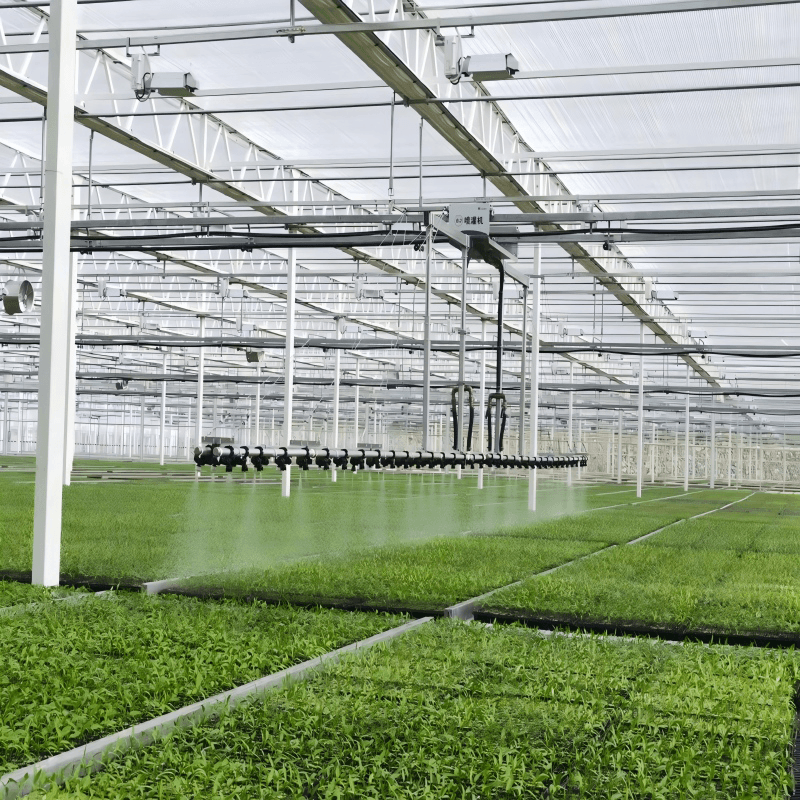
Irrigation infrastructure within a glass environment is prone to biological growth due to high light and warmth. Inspect water tanks regularly for biofilm buildup and algae. Flush main irrigation lines with a mild hydrogen peroxide solution between crop cycles to kill waterborne pathogens and strip away biofilm. Check individual drip emitters and spray nozzles for mineral clogs, soaking them in a descaling acid solution if necessary. Consistent water delivery prevents localized flooding inside the structure and ensures uniform crop growth.
Operating a commercial vegetable glass greenhouse involves managing a high-humidity, high-biomass environment. Crops like tomatoes and cucumbers transpire heavily, creating massive amounts of condensation on the interior glass. This requires aggressive fungal monitoring and frequent structural wipe-downs to prevent botrytis and powdery mildew. Because these crops are trellised directly to the greenhouse frame, operators conduct heavy-duty structural load checks. Ensure the glazing bars, cross-ties, and truss supports are not bowing under the weight of mature, fruit-bearing plants. Tighten all cable tensioners monthly during the peak fruiting season.
A floriculture glass greenhouse demands pristine conditions. Ornamental crops are highly sensitive to light variations, chemical residues, and cold water droplets falling from the roof. Maintenance emphasizes strict sanitation between crop cycles to protect delicate blooms from endemic diseases. Shading system maintenance is critical. Inspect automated shade curtains for tears. Ensure the drive motors are lubricated, check the tension on the monofilament support wires, and verify the tracks are aligned so the curtains deploy smoothly without snagging or leaving light gaps.
Managing a hydroponic and soilless glass greenhouse requires integrating advanced water system maintenance with structural care. The constant presence of nutrient-rich water accelerates algae growth and mineral scaling on the lower glass panes. Protocols include scrubbing nutrient reservoirs, sanitizing dosing equipment, and calibrating pH and EC sensors weekly. Operators aggressively manage humidity through ventilation and active dehumidification to protect the surrounding glass infrastructure from excessive condensation. High condensation leads to rapid frame corrosion and chemical off-gassing from degraded silicone sealants.
Structuring maintenance tasks by season ensures the greenhouse is prepared for the specific environmental stresses of the coming months. A proactive approach prevents emergency repairs during critical growing periods.
As light levels and temperatures increase, the focus shifts to cooling efficiency and maximum light transmission for early vegetative growth.
Deploy and inspect shade cloths for winter rodent damage, dry rot, or frayed tension cables.
Service evaporative cooling pads by cleaning out calcium deposits with a descaling agent and ensuring water distribution headers are unclogged.
Execute a deep cleaning of the exterior glass using water-fed poles to maximize early-season PAR.
Implement preventative pest control barriers, such as installing fresh 50-mesh insect netting over intake vents.
Test all horizontal airflow (HAF) fans to ensure proper air mixing during high-heat days.
Winter preparation focuses on heat retention, draft elimination, and structural protection against severe weather and snow loads.
Check all EPDM insulation seals, weather stripping, and door sweeps to eliminate drafts.
Test backup heating systems, boilers, and generators under full load to ensure reliability during a hard freeze.
Clear roof gutters and downspouts of autumn leaves to prevent ice dams from forming and backing water up into the vents.
Assess the roof's capacity for snow loads and verify the heating system can melt snow accumulation fast enough to prevent structural collapse.
Drain and blow out any exterior irrigation lines that are exposed to freezing temperatures.
Maintenance Category | Spring/Summer Focus | Fall/Winter Focus |
|---|---|---|
Glazing & Frame | Deep clean exterior glass; inspect vent limit switches. | Seal drafts; clear gutters; check snow load melting capacity. |
Climate Control | Service cooling pads; deploy shade cloths; clean exhaust fans. | Test primary and backup boilers; calibrate thermostats. |
Sanitation & Water | Install insect netting; scrub irrigation lines; check emitters. | Remove end-of-season plant debris; sterilize interior glass. |
A glass greenhouse is a high-performance agricultural asset that requires a disciplined, proactive maintenance schedule. Combining daily micro-observations with rigorous seasonal deep cleans is the only way to deliver the structure's promised lifespan and maximize crop yield. Buyers evaluating greenhouse options must remember that the initial structural design directly dictates the long-term maintenance burden. Look for designs that offer easy roof access, high-quality EPDM rubber gaskets, and integrated condensation gutters.
To keep your facility operating at peak performance, execute the following steps immediately:
Establish a daily 15-minute perimeter and interior walk-through to identify drafts, leaks, or early pest activity.
Schedule a bi-annual deep clean of the glass using non-abrasive water-fed poles and appropriate sterilization solutions.
Inspect and lubricate all automated ventilation components, including louvers and rack-and-pinion drives, before extreme weather seasons begin.
Keep an emergency repair kit on-site containing replacement tempered glass panes, heavy-duty suction cups, structural silicone, and spare gaskets.
Clear a 50-foot perimeter around the structure, removing overhanging branches and establishing proper drainage trenches.
A: Clean the exterior glass at least twice a year. Wash it in early spring to maximize light for new growth, and in late autumn to remove summer dust and prepare for lower winter light levels. Facilities near dirt roads or under trees require quarterly cleaning to maintain optimal PAR levels.
A: No. High-pressure power washers easily destroy rubber gaskets, blow out silicone seals, and force water into the greenhouse. The pressure shatters tempered glass. Always use a low-pressure hose combined with a soft-bristle brush on a water-fed extension pole.
A: An oxygen bleach solution is highly effective for breaking down algae without leaving toxic residues that harm plants or soil. Apply the solution, let it sit for ten minutes to break down the organic matter, scrub gently with a soft brush, and rinse thoroughly with clean water.
A: Inspect the gaskets visually for cracks, shrinkage, or dry rot. Push gently on the glass from the inside; if it rattles, the gasket has compressed. If you feel drafts around the edges on a windy day, the seals have failed and require immediate replacement.
A: No. While they operate without electricity, the wax or gas cylinders inside automatic openers lose pressure over time and fail to open the vents. Check them seasonally, lubricate the moving hinges with dry silicone spray, and replace the cylinders every few years as needed.


